
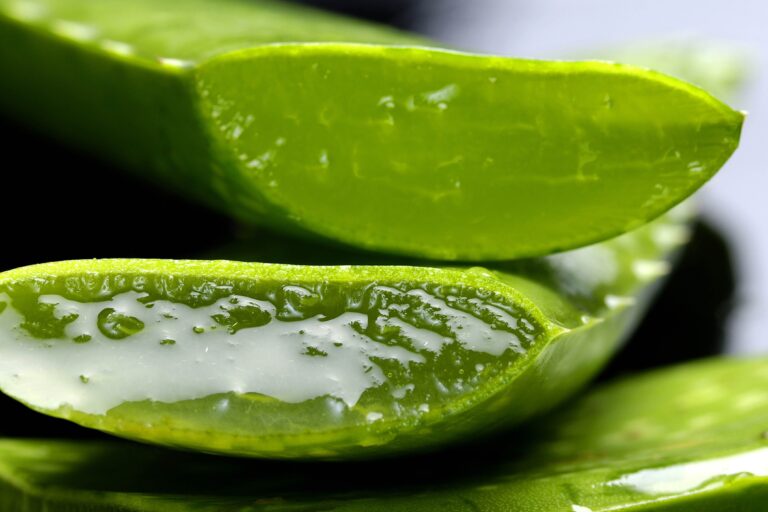
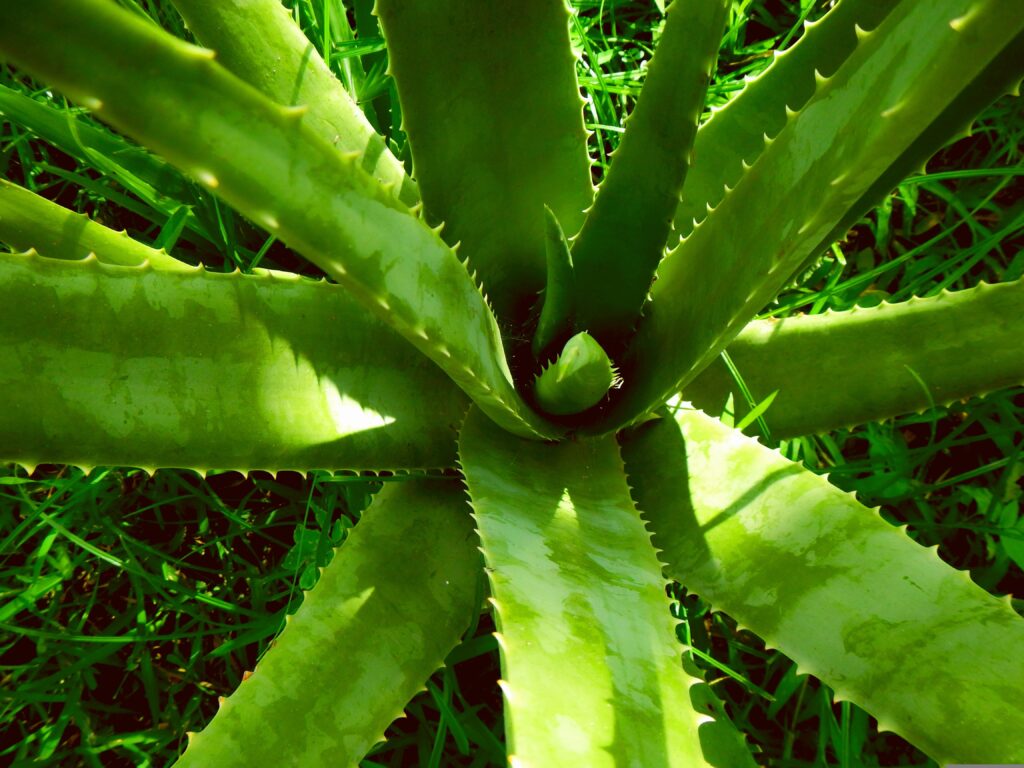
Aloe vera is a succulent plant. It belongs to Asphodelaceae (Liliaceae) family. It is widely distributed and is considered in the genus name Aloe. Aloe is derived from the Arabic word alloeh, meaning “bitter and shiny substance” and vera comes from verus meaning “true” in Latin. The leaves of Aloe vera contain significant amounts of the polysaccharide gel acemannan which is widely used in skin care purposes. It reinforces the body’s natural immune response against harmful pathogens such as parasites, bacteria, fungi, and viruses. This critical ingredient has demonstrated multiple therapeutic advantages, particularly in addressing immunodeficiency. Acemannan has many nutritional qualities
In Ancient Egypt, Aloe vera was revered as a sacred “plant of immortality”, with use dating back to at least 2,200 BCE. It was used in burial rituals, beauty regimens by queens like Cleopatra and Nefertiti to maintain skin, and in medicines to treat wounds and infections, appearing in the Ebers Papyrus around 1550 BCE.
Uses
Aloe vera is used in traditional medicine as a skin treatment. Early records of its use appear from the fourth millennium BCE It is also written of in the Juliana Anicia Codex of 512 CE.
Aloe barbadensis miller is widely considered the best aloe vera species for skincare due to its superior hydrating, soothing, and medicinal properties, making it the standard choice for beauty products. It is highly effective for treating sunburns, irritation, and dry skin. Other beneficial varieties include Aloe arborescens and Aloe ferox.
As a natural, non-comedogenic moisturizer, it provides lightweight hydration to the skin without clogging pores, making it ideal for oily and acne-prone skin.
It is highly effective in treating sunburns, reducing pain, and inflammation. It is also used to soothe skin conditions like eczema and psoriasis.
The antioxidant properties of Aloe Vera help combat damage from UV radiation and environmental stressors, reducing wrinkles and preventing skin aging. It also helps in treating acne by acting as a mild astringent.
It promotes faster healing of minor cuts, acne, and skin infections.
Gel extraction
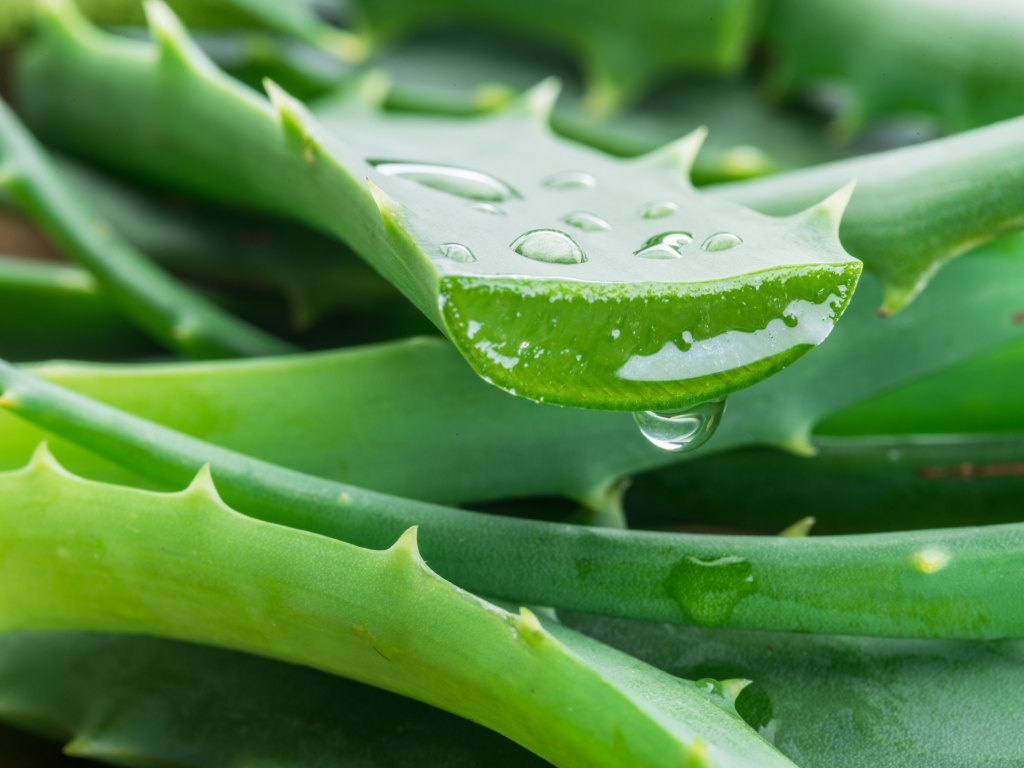
To extract aloe vera gel, cut a mature outer leaf at the base from a live plant, allow it to stand upright for 10-15 minutes to drain the yellow, laxative aloin sap, and wash it thoroughly. Trim the thorny edges and peel off one side of the rind. Scoop out the clear gel with a knife or spoon.
Aloe vera application
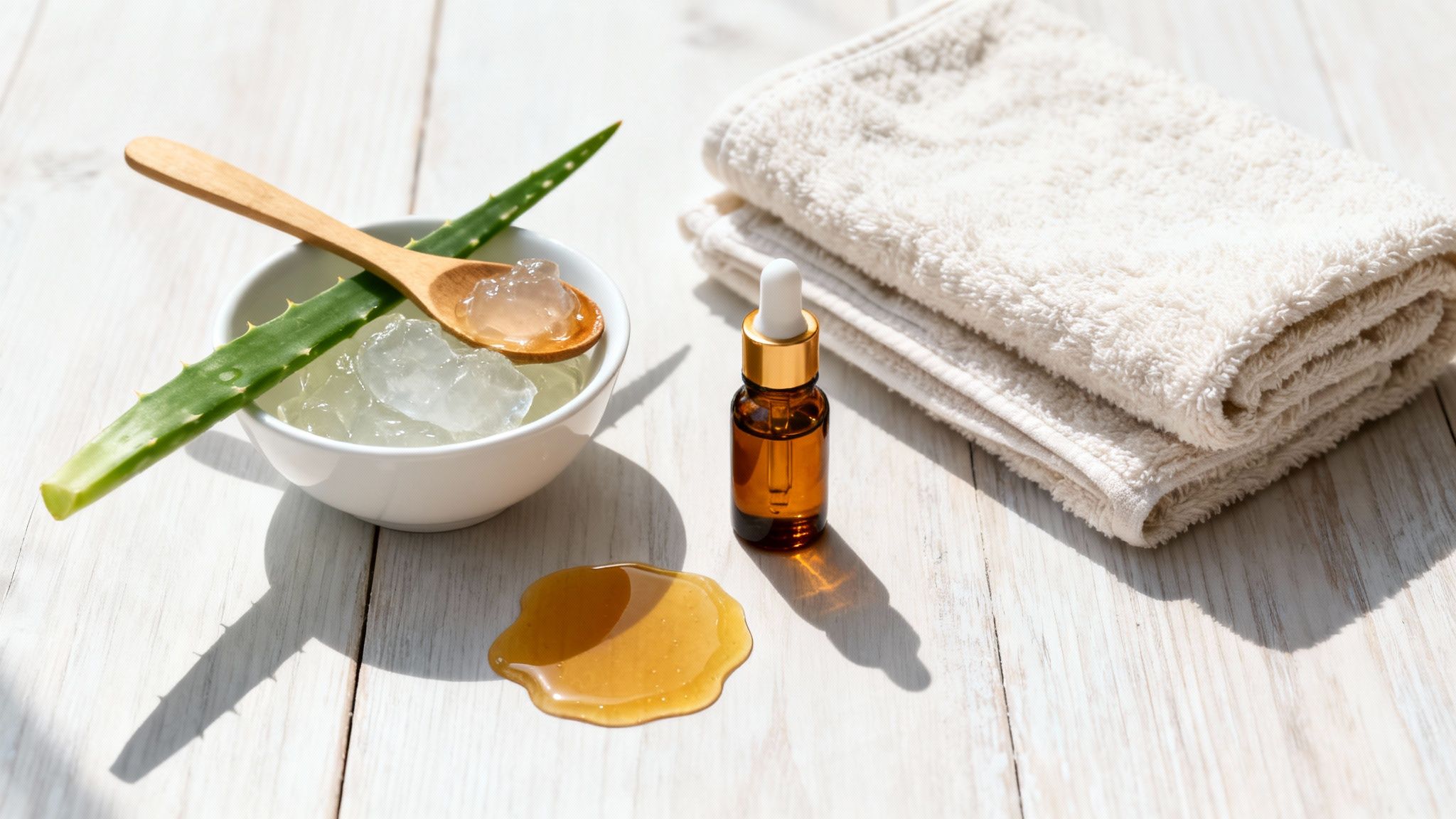
Apply pure gel directly to the skin or mixed with other natural ingredients like honey for enhanced hydration. The gel will provide relief of joint immobility and pain due to its anti-inflammatory properties.
Safety
While generally safe, some individuals might experience irritation. It is recommended to remove the yellow latex (the sap) from the leaf before applying fresh gel.
Always do a 24-hour patch test on the wrist to check for allergic reactions.
Storage
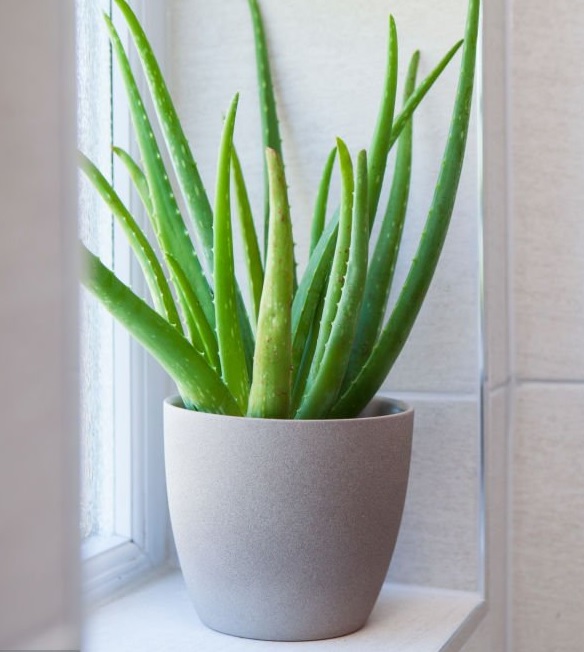
Rinse and clean the gel chunks and store them in a sealed container in the refrigerator for up to a week. For a smoother, more liquid consistency, the extracted gel can be blended and strained through a muslin cloth.